Gangtok Travel Guide
Everything you need to know about Gangtok — the vibrant capital of Sikkim nestled in the Eastern Himalayas.
Everything you need to know about Gangtok — the vibrant capital of Sikkim nestled in the Eastern Himalayas.
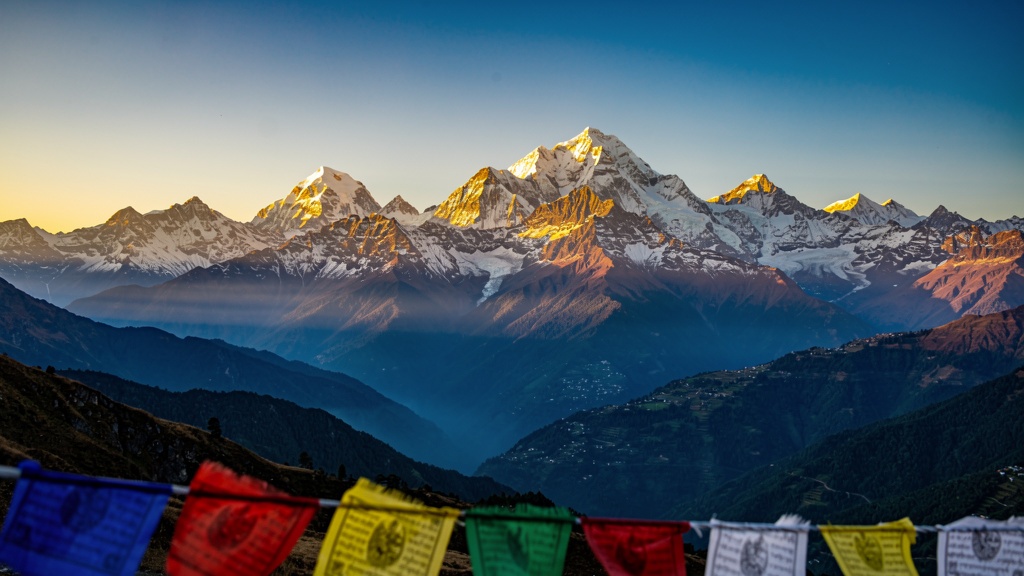
Gangtok, the capital city of Sikkim, is one of India's most beautiful hill stations. Perched at an elevation of 5,410 feet (1,650 meters), it offers a perfect blend of natural beauty, cultural richness, and modern amenities. The city is renowned for its stunning views of the Kanchenjunga mountain range, pristine Buddhist monasteries, vibrant markets, and warm hospitality.
As the gateway to Sikkim's most famous attractions — including Tsomgo Lake, Nathula Pass, and North Sikkim — Gangtok serves as the perfect base for exploring the Eastern Himalayas.
| Fact | Details |
|---|---|
| Elevation | 5,410 ft (1,650 m) |
| State | Sikkim, India |
| District | East Sikkim |
| Language | Nepali, Hindi, English, Bhutia, Lepcha |
| Best Time to Visit | March to June & October to December |
| Nearest Airport | Pakyong Airport (33 km) / Bagdogra (124 km) |
| Nearest Railway Station | New Jalpaiguri (NJP) — 148 km |
| STD Code | 03592 |
| Famous For | Monasteries, Kanchenjunga views, Tsomgo Lake, MG Marg |
Gangtok enjoys a mild climate year-round, but the best times to visit are spring and autumn when the skies are clearest.
| Season | Months | Temperature | Conditions |
|---|---|---|---|
| Spring | March - May | 10°C - 22°C | 🌸 Pleasant, rhododendrons bloom, clear views |
| Summer/Monsoon | June - September | 15°C - 25°C | 🌧️ Heavy rainfall, landslides possible, fewer tourists |
| Autumn | October - November | 8°C - 20°C | 🍂 Crystal clear skies, best Kanchenjunga views |
| Winter | December - February | 2°C - 14°C | ❄️ Cold, occasional snow, clear mountain views |
Gangtok became Sikkim's capital after the British established control in the late 19th century. The city grew rapidly after India's independence and Sikkim's merger with India in 1975. Today, Gangtok is a cosmopolitan city that beautifully blends traditional Sikkimese culture with modern development.
The city is home to a diverse population including the Lepchas (original inhabitants), Bhutias (of Tibetan origin), and Nepalis. This cultural melting pot is reflected in Gangtok's festivals, cuisine, and daily life. Major festivals include Losar (Tibetan New Year), Saga Dawa, Dashain, Tihar, and the famous Pang Lhabsol festival.
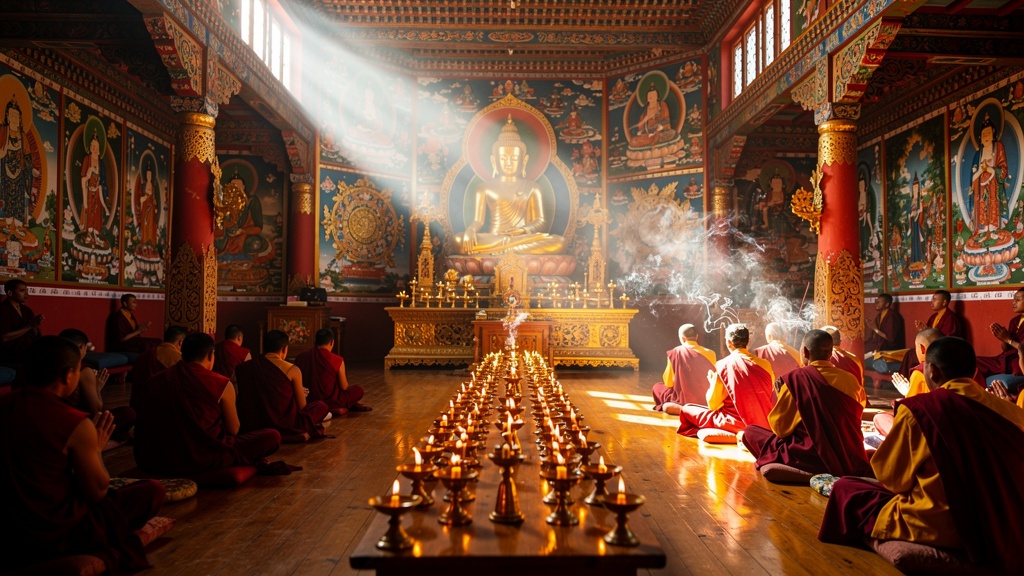
| Attraction | Distance | Highlights |
|---|---|---|
| Tsomgo Lake | 38 km | Glacial lake at 12,400 ft, yak rides, scenic beauty |
| Nathula Pass | 56 km | India-China border, 14,400 ft, permit required |
| Rumtek Monastery | 24 km | Largest monastery in Sikkim, golden architecture |
| MG Marg | City Center | Pedestrian mall, shopping, dining, entertainment |
| Gangtok Ropeway | Deorali | Cable car with panoramic city and mountain views |
| Tashi Viewpoint | 7 km | Sunset views of Kanchenjunga and Gangtok valley |
| Enchey Monastery | 3 km | 200-year-old Buddhist monastery in city center |
| Himalayan Zoo | 4 km | Home to red pandas, snow leopards, and more |
Gangtok is a compact city and is best explored on foot, especially the MG Marg area. For longer distances, you can use: